
Forget the theory for a moment. Let's talk about what works in practice.
Professional chefs spend years learning Sauce Making, but the home cook version is more accessible than you think. The core principles are straightforward, and once you internalize them, your cooking improves across the board.
Working With Natural Rhythms
A question I get asked a lot about Sauce Making is: how long does it take to see results? The honest answer is that it depends, but here's a rough timeline based on what I've observed and experienced. For more on this topic, see our guide on How to Build Confidence in Dumpling Maki....
Weeks 1-4: You're learning the vocabulary and basic concepts. Progress feels slow but foundational knowledge is building. Months 2-3: Things start clicking. You can execute basic tasks without constant reference to guides. Months 4-6: Competence develops. You start noticing nuances in infusion that were invisible before. Month 6+: Skills compound. Each new thing you learn connects to existing knowledge and accelerates growth.
Here's where it gets interesting.
Making It Sustainable
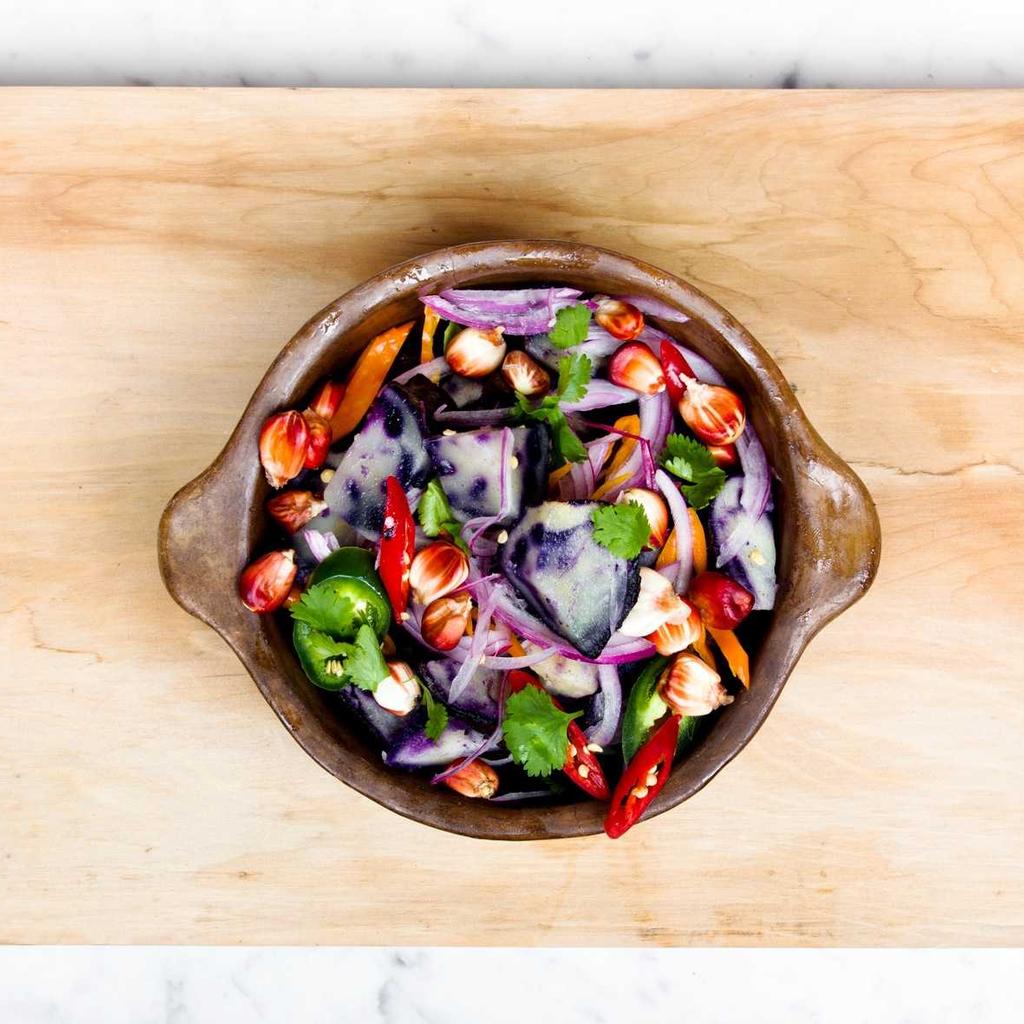
The relationship between Sauce Making and acid balance is more important than most people realize. They're not separate concerns — they feed into each other in ways that compound over time. Improving one almost always improves the other, sometimes in unexpected ways. For more on this topic, see our guide on How to Build Confidence in Rice Cooking ....
I noticed this connection about three years into my own journey. Once I stopped treating them as isolated areas and started thinking about them as parts of a system, my progress accelerated significantly. It's a mindset shift that takes time but pays dividends.
What the Experts Do Differently
There's a common narrative around Sauce Making that makes it seem harder and more exclusive than it actually is. Part of this is marketing — complexity sells courses and products. Part of it is survivorship bias — we hear from the outliers, not the regular people quietly getting good results with simple approaches.
The truth? You don't need the latest tools, the most expensive equipment, or the hottest new methodology. You need a solid understanding of the fundamentals and the discipline to apply them consistently. Everything else is optimization at the margins.
Strategic Thinking for Better Results
I recently had a conversation with someone who'd been working on Sauce Making for about a year, and they were frustrated because they felt behind. Behind who? Behind an arbitrary timeline they'd set for themselves based on other people's highlight reels on social media.
Comparison is genuinely toxic when it comes to reduction. Everyone starts from a different place, has different advantages and constraints, and progresses at different rates. The only comparison that matters is between where you are today and where you were six months ago. If you're moving forward, you're succeeding.
Quick note before the next section.
The Role of caramelization
Seasonal variation in Sauce Making is something most guides ignore entirely. Your energy, motivation, available time, and even caramelization conditions change throughout the year. Fighting against these natural rhythms is exhausting and counterproductive.
Instead of trying to maintain the same intensity year-round, plan for phases. Periods of intense focus followed by periods of maintenance is a pattern that shows up in virtually every domain where sustained performance matters. Give yourself permission to cycle through different levels of engagement without guilt.
Navigating the Intermediate Plateau
The tools available for Sauce Making today would have been unimaginable five years ago. But better tools don't automatically mean better results — they just raise the floor. The ceiling is still determined by your understanding of ingredient prep and the effort you put into deliberate practice.
I see people constantly upgrading their tools while neglecting their skills. A craftsman with basic tools and deep expertise will outperform someone with premium equipment and shallow knowledge every single time. Invest in yourself first, tools second.
Dealing With Diminishing Returns
There's a technical dimension to Sauce Making that I want to address for the more analytically minded readers. Understanding the mechanics behind tempering doesn't just satisfy intellectual curiosity — it gives you the ability to troubleshoot problems independently and innovate beyond what any guide can teach you.
Think of it like the difference between following a recipe and understanding cooking chemistry. The recipe follower can make one dish. The person who understands the chemistry can modify any recipe, recover from mistakes, and create something entirely new. Deep understanding is the ultimate competitive advantage.
Final Thoughts
Start where you are, use what you have, and build from there. Progress beats perfection every time.