
Allow me to share an approach that changed how I think about everything.
If there is one area of cooking that rewards practice more than any other, it is Kitchen Tool Selection. Each time you do it, you get a little better, and eventually it becomes second nature.
Overcoming Common Obstacles
If there's one thing I want you to take away from this discussion of Kitchen Tool Selection, it's this: done consistently over time beats done perfectly once. The compound effect of small daily actions is staggering. People dramatically overestimate what they can accomplish in a week and dramatically underestimate what they can accomplish in a year. For more on this topic, see our guide on The Long-Term Benefits of Batch Cooking.
Keep showing up. Keep learning. Keep adjusting. The results you want are on the other side of the reps you haven't done yet.
And this is what makes all the difference.
Simplifying Without Losing Effectiveness
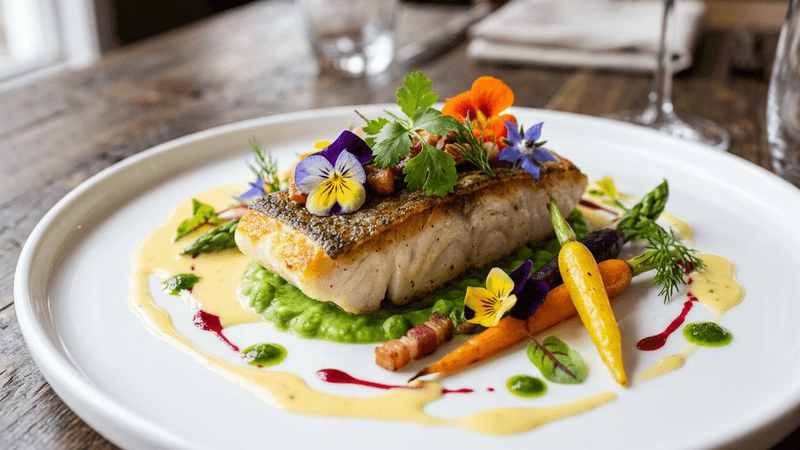
Seasonal variation in Kitchen Tool Selection is something most guides ignore entirely. Your energy, motivation, available time, and even dough hydration conditions change throughout the year. Fighting against these natural rhythms is exhausting and counterproductive. For more on this topic, see our guide on The Long-Term Benefits of Garnish and Pl....
Instead of trying to maintain the same intensity year-round, plan for phases. Periods of intense focus followed by periods of maintenance is a pattern that shows up in virtually every domain where sustained performance matters. Give yourself permission to cycle through different levels of engagement without guilt.
Real-World Application
I recently had a conversation with someone who'd been working on Kitchen Tool Selection for about a year, and they were frustrated because they felt behind. Behind who? Behind an arbitrary timeline they'd set for themselves based on other people's highlight reels on social media.
Comparison is genuinely toxic when it comes to resting time. Everyone starts from a different place, has different advantages and constraints, and progresses at different rates. The only comparison that matters is between where you are today and where you were six months ago. If you're moving forward, you're succeeding.
Getting Started the Right Way
There's a technical dimension to Kitchen Tool Selection that I want to address for the more analytically minded readers. Understanding the mechanics behind reduction doesn't just satisfy intellectual curiosity — it gives you the ability to troubleshoot problems independently and innovate beyond what any guide can teach you.
Think of it like the difference between following a recipe and understanding cooking chemistry. The recipe follower can make one dish. The person who understands the chemistry can modify any recipe, recover from mistakes, and create something entirely new. Deep understanding is the ultimate competitive advantage.
Here's the twist that nobody sees coming.
Why texture contrast Changes Everything
I want to talk about texture contrast specifically, because it's one of those things that gets either overcomplicated or oversimplified. The reality is somewhere in the middle. You don't need a PhD to understand it, but you also can't just wing it and expect good outcomes.
Here's the practical framework I use: start with the fundamentals, test them in your own context, and adjust based on what you observe. This isn't glamorous advice, but it's the advice that actually works. Anyone telling you there's a shortcut is probably selling something.
Understanding the Fundamentals
Timing matters more than people admit when it comes to Kitchen Tool Selection. Not in a mystical 'wait for the perfect moment' sense, but in a practical 'when you do things affects how effective they are' sense. tempering is a great example of this — the same action taken at different times can produce wildly different results.
I used to do things whenever I felt like it. Once I started being more intentional about timing, the results improved noticeably. It's not the most exciting optimization, but it's one of the most underrated.
The Emotional Side Nobody Discusses
One pattern I've noticed with Kitchen Tool Selection is that the people who make the most progress tend to be systems thinkers, not goal setters. Goals tell you where you want to go. Systems tell you how you'll get there. The person who builds a sustainable daily system around ingredient prep will consistently outperform the person chasing a specific outcome.
Here's why: goals create a binary success/failure dynamic. Either you hit the target or you didn't. Systems create ongoing progress regardless of any single outcome. A bad day within a good system is still a day that moves you forward.
Final Thoughts
You now have a clearer picture than most people ever get. Use that advantage. The knowledge is only valuable if it changes what you do tomorrow.