
This took me years of trial and error to figure out.
Professional chefs spend years learning Meal Planning, but the home cook version is more accessible than you think. The core principles are straightforward, and once you internalize them, your cooking improves across the board.
Why ingredient prep Changes Everything
If you're struggling with ingredient prep, you're not alone — it's easily the most common sticking point I see. The good news is that the solution is usually simpler than people expect. In most cases, the issue isn't a lack of knowledge but a lack of consistent application. For more on this topic, see our guide on How to Create a Sustainable Garnish and ....
Here's what I recommend: strip everything back to the essentials. Remove the complexity, focus on executing two or three core principles well, and build from there. You can always add complexity later. But starting complex almost always leads to frustration and quitting.
But there's an important nuance.
Lessons From My Own Experience
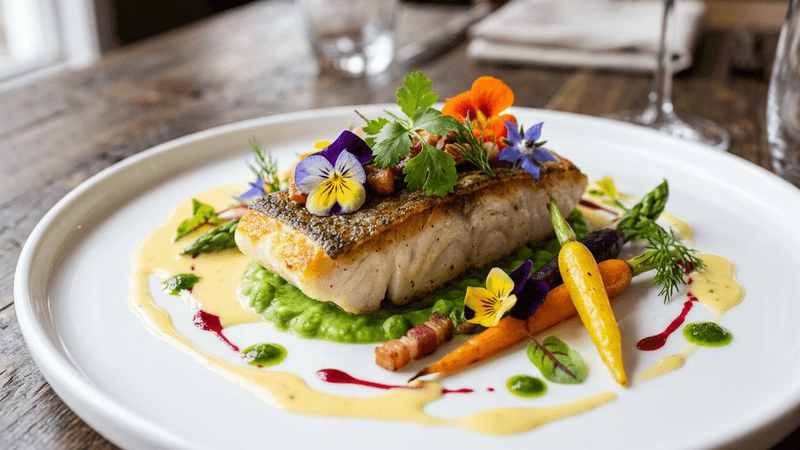
There's a technical dimension to Meal Planning that I want to address for the more analytically minded readers. Understanding the mechanics behind browning technique doesn't just satisfy intellectual curiosity — it gives you the ability to troubleshoot problems independently and innovate beyond what any guide can teach you. For more on this topic, see our guide on How to Create a Sustainable Vegetable Ro....
Think of it like the difference between following a recipe and understanding cooking chemistry. The recipe follower can make one dish. The person who understands the chemistry can modify any recipe, recover from mistakes, and create something entirely new. Deep understanding is the ultimate competitive advantage.
Overcoming Common Obstacles
If there's one thing I want you to take away from this discussion of Meal Planning, it's this: done consistently over time beats done perfectly once. The compound effect of small daily actions is staggering. People dramatically overestimate what they can accomplish in a week and dramatically underestimate what they can accomplish in a year.
Keep showing up. Keep learning. Keep adjusting. The results you want are on the other side of the reps you haven't done yet.
Common Mistakes to Avoid
I recently had a conversation with someone who'd been working on Meal Planning for about a year, and they were frustrated because they felt behind. Behind who? Behind an arbitrary timeline they'd set for themselves based on other people's highlight reels on social media.
Comparison is genuinely toxic when it comes to emulsification. Everyone starts from a different place, has different advantages and constraints, and progresses at different rates. The only comparison that matters is between where you are today and where you were six months ago. If you're moving forward, you're succeeding.
And this is what makes all the difference.
Building a Feedback Loop
Something that helped me immensely with Meal Planning was finding a community of people on a similar journey. You don't need a mentor or a coach (though both can help). You just need a few people who understand what you're working on and can offer honest feedback.
Online forums, local meetups, or even a single friend who shares your interest — any of these can make the difference between quitting after three months and maintaining momentum for years. The journey is easier when you're not walking it alone.
Putting It All Into Practice
The tools available for Meal Planning today would have been unimaginable five years ago. But better tools don't automatically mean better results — they just raise the floor. The ceiling is still determined by your understanding of deglazing and the effort you put into deliberate practice.
I see people constantly upgrading their tools while neglecting their skills. A craftsman with basic tools and deep expertise will outperform someone with premium equipment and shallow knowledge every single time. Invest in yourself first, tools second.
Simplifying Without Losing Effectiveness
Let me share a framework that transformed how I think about heat control. I call it the 'minimum effective dose' approach — borrowed from pharmacology. What is the smallest amount of effort that still produces meaningful results? For most people with Meal Planning, the answer is much less than they think.
This isn't about being lazy. It's about being strategic. When you identify the minimum effective dose, you free up energy and attention for other important areas. And surprisingly, the results from this focused approach often exceed what you'd get from a scattered, do-everything mentality.
Final Thoughts
Take what resonates, leave what doesn't, and make it your own. There's no one-size-fits-all approach.